For many homeowners, there comes a point when the role of a house changes.
The children have grown up and moved away. The extra bedrooms sit empty. The garden that once felt like a source of pride has become another thing to maintain. Maybe the stairs are becoming less convenient, or the house simply feels larger than it needs to be.
Sometimes, the next step is obvious: downsize, move closer to family, or sell the property.
But for homeowners who have lived in the same house for decades, the decision is rarely that simple. The street the house sits on carries valuable memories, and the house itself represents a significant portion of a family’s wealth. Deciding what to do with it means considering not only where to live next, but also how to get the most value out of the current house.
This often leads to a familiar set of options.
Option 1: Rent out the current house
For homeowners who don’t want to sell, renting out the current property is a popular option.
A single-family rental can provide a reliable source of income, but it is worth asking whether the existing use of the property reflects the potential of the land.
A house designed for one household may occupy a lot that could accommodate considerably more housing. In that situation, the question isn’t necessarily whether the existing rental is bad — it may simply be underutilized.
Option 2: Renovate to rent out again
Renovating can make an older home more modern and functional. Updated appliances, reconfigured rooms, and major repairs can extend the life of the property. For homeowners who plan on renting their property, these improvements can mean increasing the rental value.
But renovation can become a significant investment. In Toronto, a mid-range full-house renovation can cost roughly $200,000–$600,000, while a more extensive renovation of an older home can run $750,000 or more. Despite all this investment, the property still functions as the single-family home it was before.
The underlying structure, footprint, and layout of the original house still determine how many people the property can accommodate and how much rental income it can generate. Renovating the finishes and repairing the existing structure doesn’t necessarily guarantee homeowners will increase their profits.
For some homeowners, improving the existing house may be the right choice. For others, it raises a different question:
If you’re going to invest in the property anyway, is renovating the existing home the best use of the property?
Option 3: Sell the house
Selling provides a clean break. Homeowners can downsize, move closer to family, or put the proceeds toward another home or investment.
However, when a property needs significant work, the selling price often reflects the cost and risk that a potential buyer will have to take on.
A buyer looking at an older house may see aged appliances, worn-down hardware, an outdated electrical system, unfinished basements, and other repairs that need to be addressed. Those costs become part of the buyer’s calculation. If they expect to spend at least $300,000 renovating the property, that investment is accounted for when they decide if they are willing to buy the house in the first place.
In other words, the cost of bringing an older property up to modern standards can effectively reduce the price a buyer is willing to pay for the existing home.
This creates a gap between the value a homeowner sees in their property and the value the market is willing to assign it in its current condition.
What else could the property become?
Each of these options leads back to one question:
Is the land worth more than the house sitting on it?
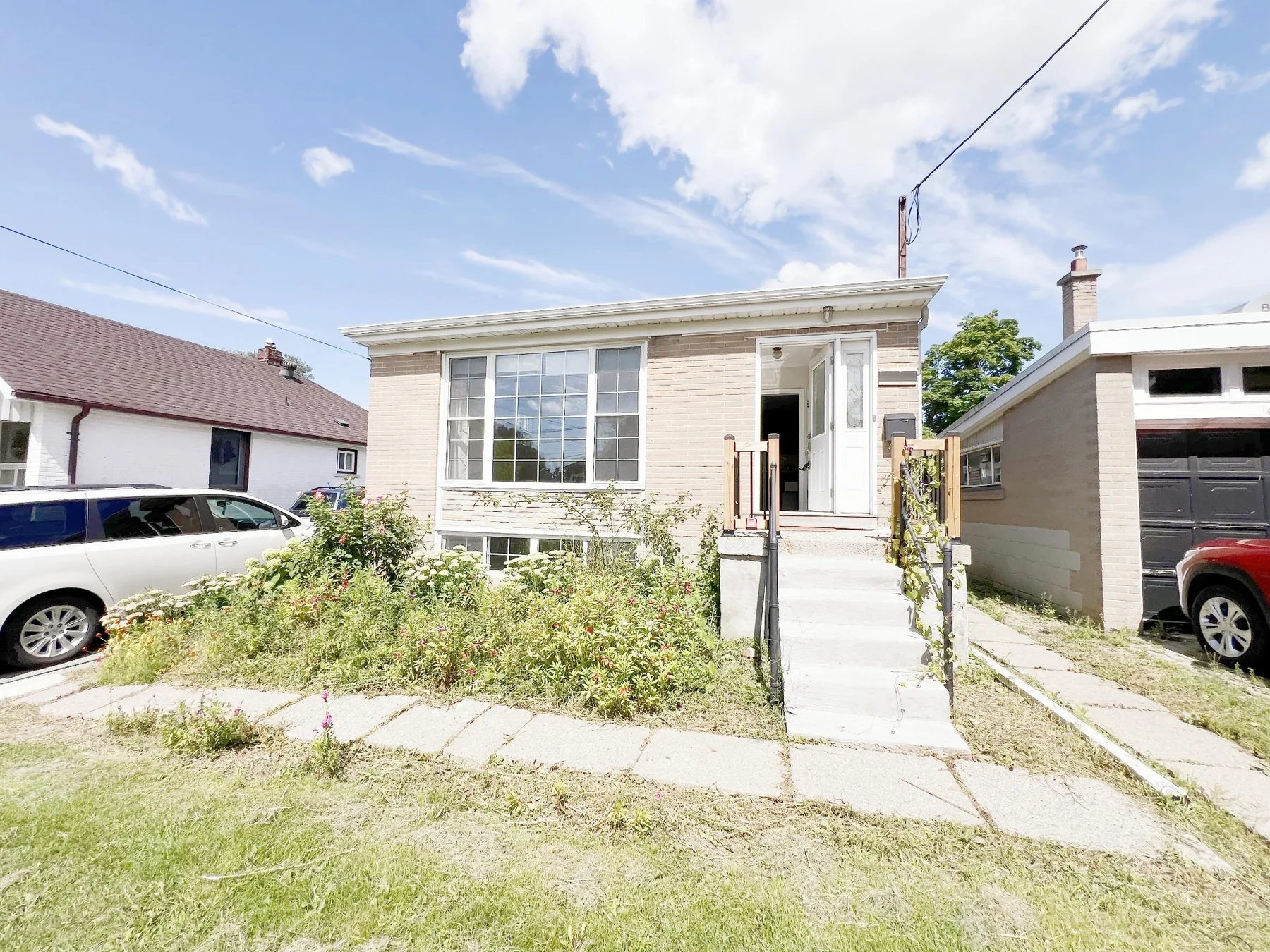
An aging single-family home may sit on a sizeable lot in an established neighbourhood, where the land itself represents a significant portion of the property’s value. What a buyer sees as an older house requiring substantial investment may also be a piece of land with potential for a very different use.
That distinction can be easy to overlook when the property is viewed simply as a house for sale.
This is where the conversation around multiplex housing becomes interesting.
Same space, new value
Rather than looking at an aging house only in terms of what needs to be repaired, some homeowners are beginning to look at the property from a different perspective.
What if the question isn’t “How do I make this house better?” Instead, it’s “What is the best use of this property today?”
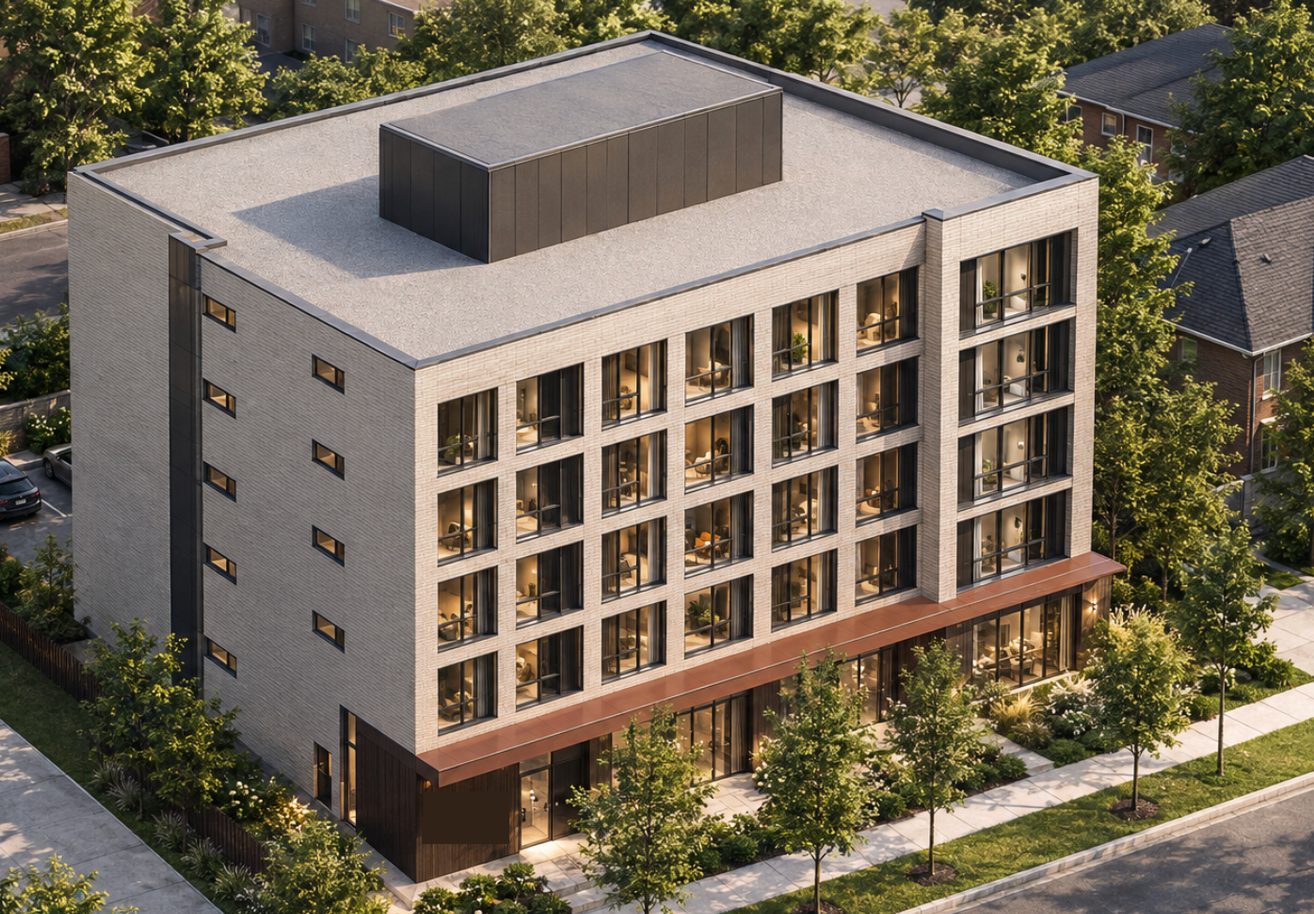
A multiplex could be the answer. Instead of maintaining a single-family home, a property is redeveloped into multiple homes on the same lot. For an owner who no longer needs a large house, this can create an entirely different relationship with the property — one that considers both the homeowner’s changing needs and the underlying value of the land.
Of course, this still means that significant investments need to be made. Building costs, permits, timelines, financing, construction requirements, and planning are all considerations to work through that may not exist with the first three options. But as more homeowners reach the point where their houses no longer suit their lifestyle, the question of what happens to the property next is becoming increasingly complex.
Sometimes, the next chapter doesn’t have to mean simply leaving the property behind.
It can mean rethinking what the property is capable of becoming.